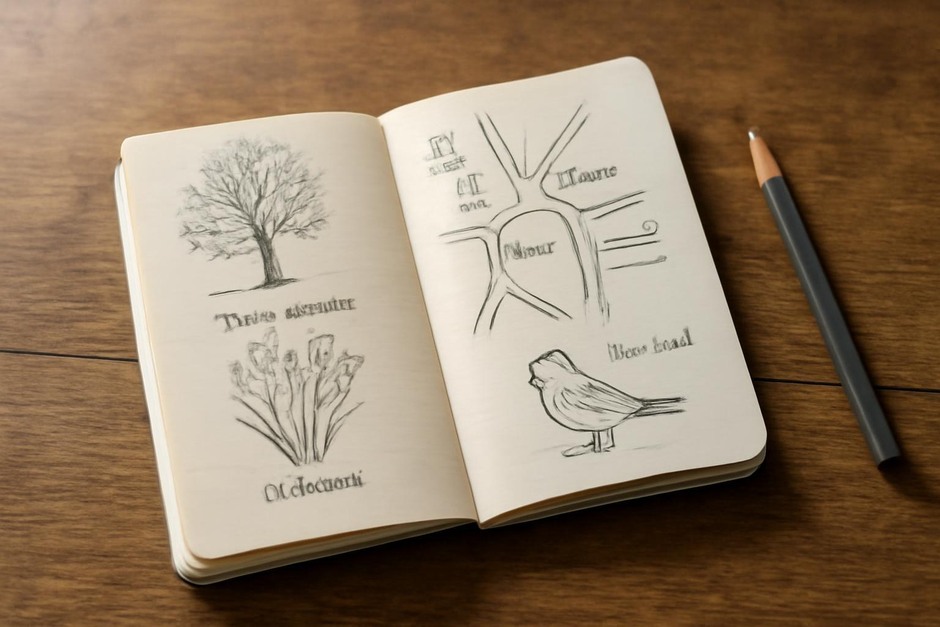
Pens, Paper, and Pocket Notebooks: Balancing Tools for Slow Journaling
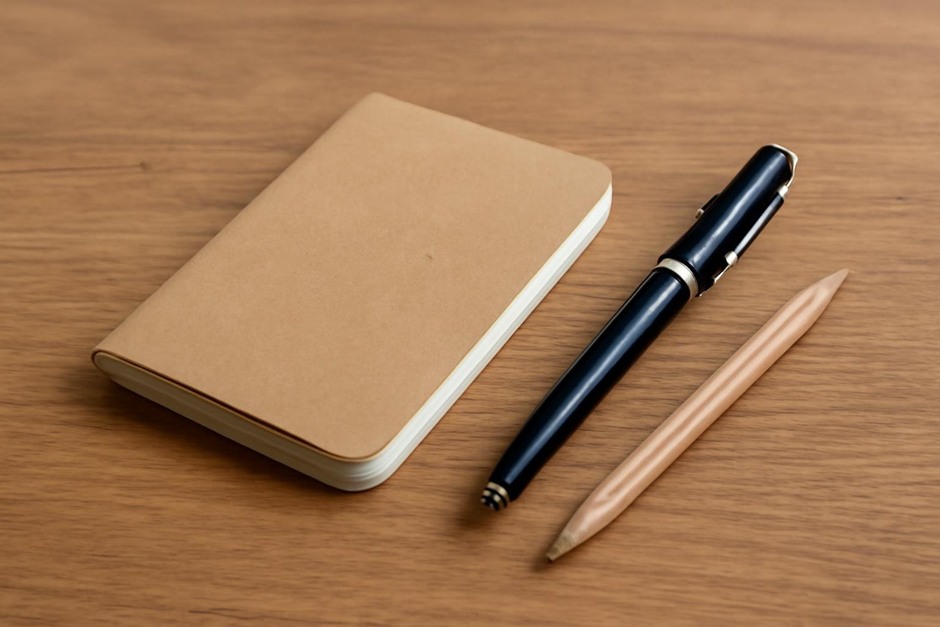
I keep a short list in the front of every notebook: what I used, when, and one sentence about how the materials behaved. Over a few seasons those brief notes become as useful as any habit—evidence of what survived rain, what smudged in a hurry, and which pages still invite re-reading months later. Small decisions about tools shape what you notice and how you record it.
Paper: weight, texture, and how much you can carry
Paper is the substrate of attention. Lightweight paper (60–80 gsm) makes slim, portable notebooks and keeps your pack light. The trade-off is obvious: tooth is low, show-through increases, and wet media will buckle. Heavier papers (140–300 gsm) tolerate washes and mixed media; they invite slower, more deliberate marks but add bulk and cost.
Texture matters too. Smooth papers suit fine pen work and fountain pens, while toothy papers hold graphite and dry media better and welcome light layering. If you want to use both ink and watercolor, consider a hybrid—120–200 gsm cold-pressed or mixed-media stock—or carry two small notebooks: one for sketches and paint, another for rapid notes.
Pens, pencils, and brushes: permanence versus flexibility
Pencils are forgiving: erasable, portable, and quiet. Mechanical pencils keep a consistent line; traditional wooden pencils vary with pressure and sharpening. For quick field marks, graphite is hard to beat. The downside is legibility under low light and smudging in active conditions.
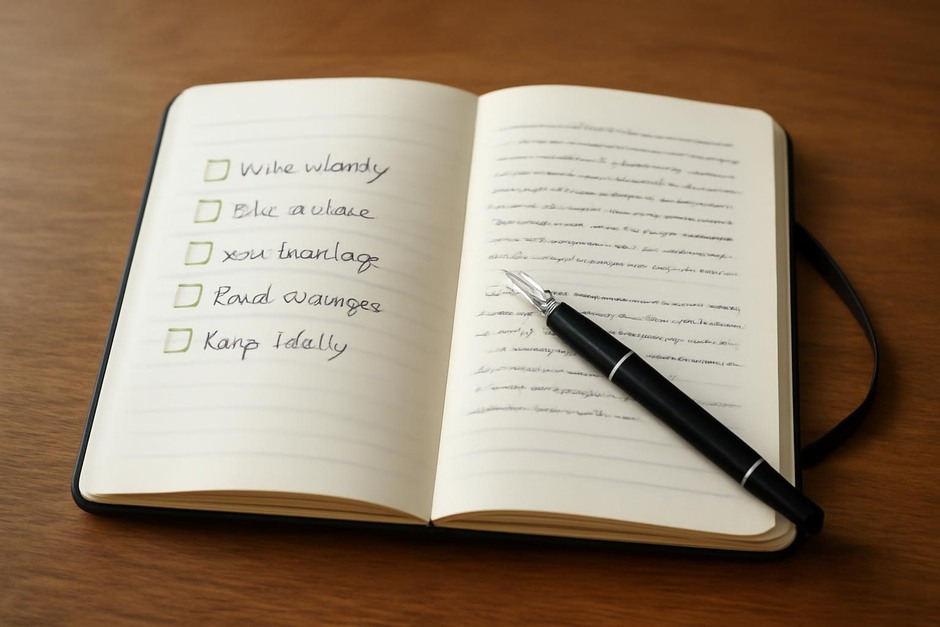
Inks come with their own set of trade-offs. Ballpoints and gel pens are reliable and cheap; rollerballs and fountain pens offer a more expressive line but demand compatible paper and occasional maintenance. Waterproof inks (pigment-based pens or waterproof fountain-pen inks) protect notes from moisture and handling but can feel less spontaneous. Brush pens bridge ink and wash, offering expressive strokes without the need to carry water, though they can be messy in a pocket.
Choosing a writing implement often depends on whether you prioritize permanence, gesture, or convenience. Many keep both a pencil for sketching and a pen for annotations; some prefer a single tool to keep the process simple.
Notebook format and binding: lay-flat, pocket, and the ritual of use
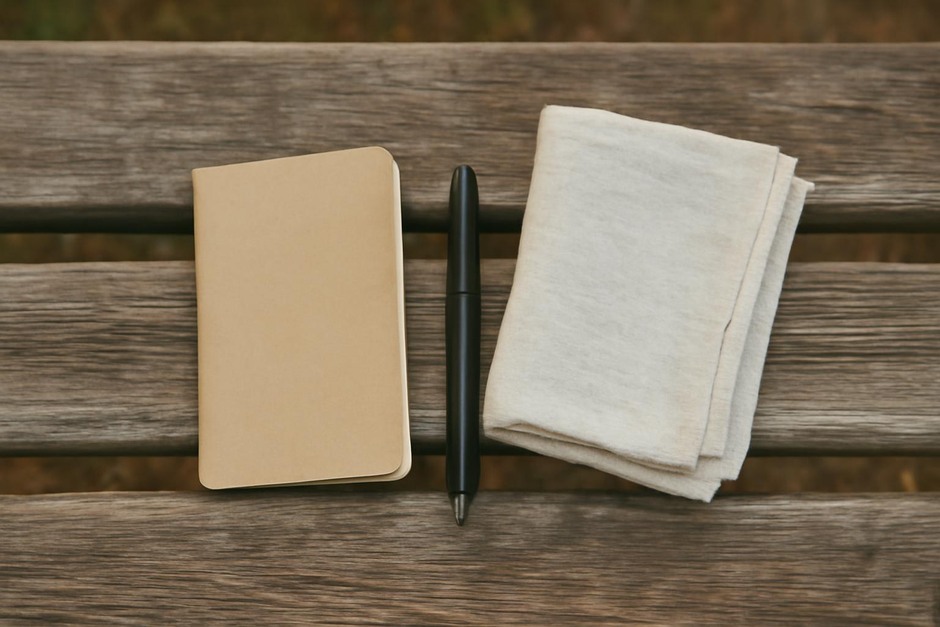
Format shapes when and where you write. Pocket notebooks (3.5″–4″ wide) are unobtrusive and encourage short, frequent entries. Larger formats (A5 and up) invite longer passages and fuller sketches. Spiral bindings allow a true lay-flat experience and easy removal of pages; stitched bindings age neatly and create a satisfying spine as pages fill.
Ring-bound or refillable systems are flexible—swap in different paper types for field trips—but they add weight and noise. Stitch-bound notebooks often close more compactly and protect pages better over time. Consider how you store notebooks: if you keep them on a shelf and re-read often, a stitched book might hold up better; if you want the option to share or scan single pages, a spiral or looseleaf system may be preferable.
Methods: quick prompts, mixed-media pages, and the cost of complexity
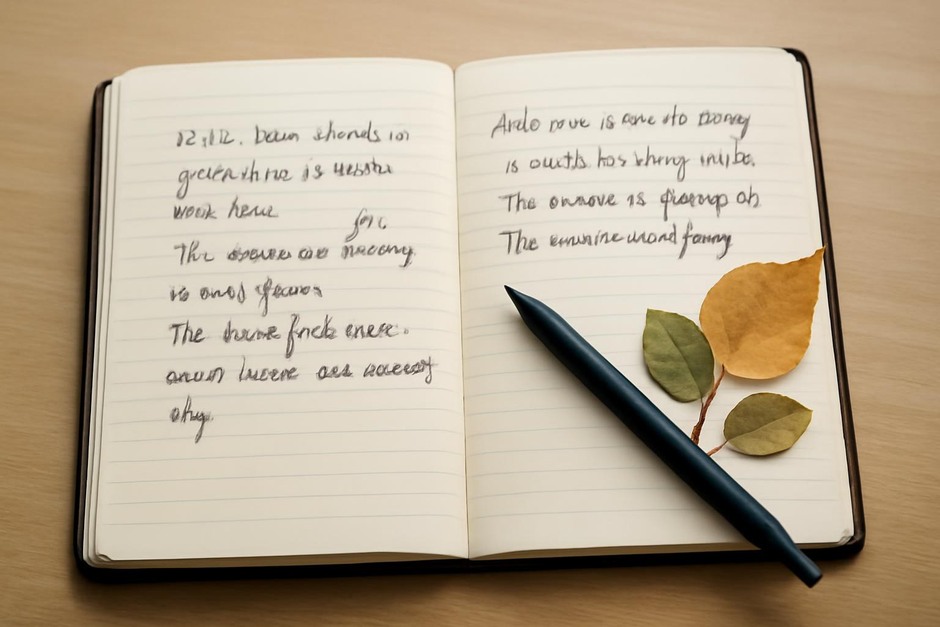
Method influences material choices as much as the reverse. If you practice brief prompts—time, weather, one observation—you need only a pencil and slim notebook. If your method includes sketches, color notes, and pasted ephemera, heavier paper and a small glue stick may be necessary.
Mixed-media journaling produces rich pages but requires time and storage. It changes the cadence of outings: you might linger to apply a wash or arrange a leaf, which can be the point, but it also means carrying more supplies and protecting work in progress. A minimalist approach keeps you mobile and more likely to capture spontaneous moments; an artful approach deepens engagement at the cost of portability.
One neutral way forward is modular practice: plan two kinds of outings—fast-capture walks and slow sessions with deliberate materials. Over months you’ll see which mode aligns with your life rhythms and seasons.
Conclusion
The right combination of tools is rarely absolute; it’s a compromise among intent, season, and patience. Lightweight paper and a trusty pencil favor daily notes and discovery on the go. Heavier stock, a fountain pen, and a stitched notebook invite slow study and careful composition. Try a month of one setup, keep the short notes in the front, then switch. The experiment itself becomes part of the record: small observations about how your tools helped you notice the world.